
Resource - Special Report
The Construction Draw Package Standard
A research-backed guide and practitioner-validated framework for construction lenders and developers — defining what 'lender-ready' means, what every draw package should include, and why the industry needs a shared starting point.
Why this standard exists
The problem isn't the documents.
It's the inconsistency.
Ask any lender what slows them down and you'll hear the same answer: the draw package. Ask any developer and they'll say the same thing right back. When submissions are incomplete and requirements unclear, funding slows, audit risk climbs, and the relationship holding every project together starts to fray. It's been this way for decades. It doesn't have to be.
Rabbet sits between both sides of construction finance. We see where packages break down — the missing subcontractor backup, the sworn statement that doesn't tie to the pay app, the cover letter signed before the amounts were finalized.
This is a shared starting point — a universal base layer that works across most commercial construction loan types, with clearly marked conditional requirements for specific deal structures.
Top 5 reasons draws are sent back
Combined Developer + Lender Input
1
Missing or incomplete lien waivers
2
Dollar amounts don't reconcile across documents
3
Missing subcontractor backup documentation
4
Cover letter signed before final amounts confirmed
5
Expired or missing certificates of insurance
Primary Research
What the research found
We interviewed and surveyed construction finance practitioners — lenders, developers, construction managers, and legal partners — across loan types, geographies, and project scales.
The research prioritized depth over volume: long-form conversations focused on where draw packages actually break down, paired with structured surveys to validate the patterns.
The findings were consistent across every category of respondent. See the full dataset and practitioner commentary in The Definitive Guide to Construction Loan Draw Packages → link to guide.
9/10
Draws require
follow-up outreach
follow-up outreach
1 in 3
Draw packages are rejected and need to be resubmitted
100%
Lenders agree a standard
would save time
would save time


#1
Top time cost: formatting for each lender
The most time-consuming draw prep task was not math or document assembly — it was customizing packages to match the specific, varying requirements of each lender and equity partner.
75%
Would adopt a required standard format.
Nearly three-quarters of developer respondents said they would feel "positive" or "very positive" if their primary lender required a single standard format across all draws.
3+
Active projects managed simultaneously (typical).
Most developers juggle 3 or more active construction loans at once — meaning inconsistent requirements multiply the burden with every new lender relationship.
9/10
Follow-up frequency (out of 10)
Lenders rated how often they must chase documentation before approving a draw. Most common answer: "9 or 10" — meaning virtually every draw requires outreach.
#1
Top slowdown: incomplete packages
Missing sub backup, absent sub pay apps, and missing sub-tier lien waivers were cited by all lender respondents as the single biggest source of review friction.
#2
Inconsistent dollar amounts across documents
Discrepancies between the sworn statement, payout amounts, and lien waivers force manual tie-out investigation on nearly every draw.
100%
Agree standardization would save time
Every lender surveyed indicated a validated, standardized draw submission would meaningfully reduce follow-up and rework for their team.
The 10-Item Framework
The draw package template: what every draw must include
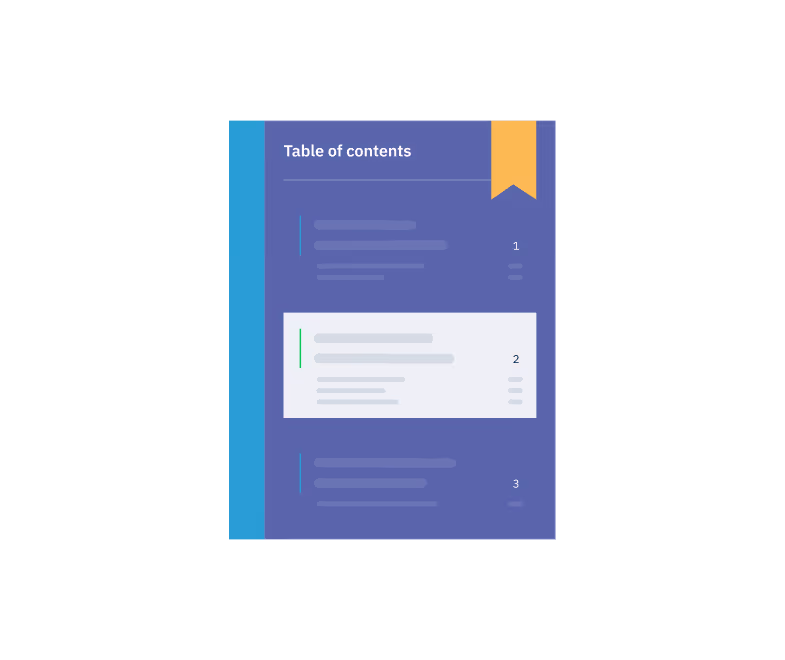
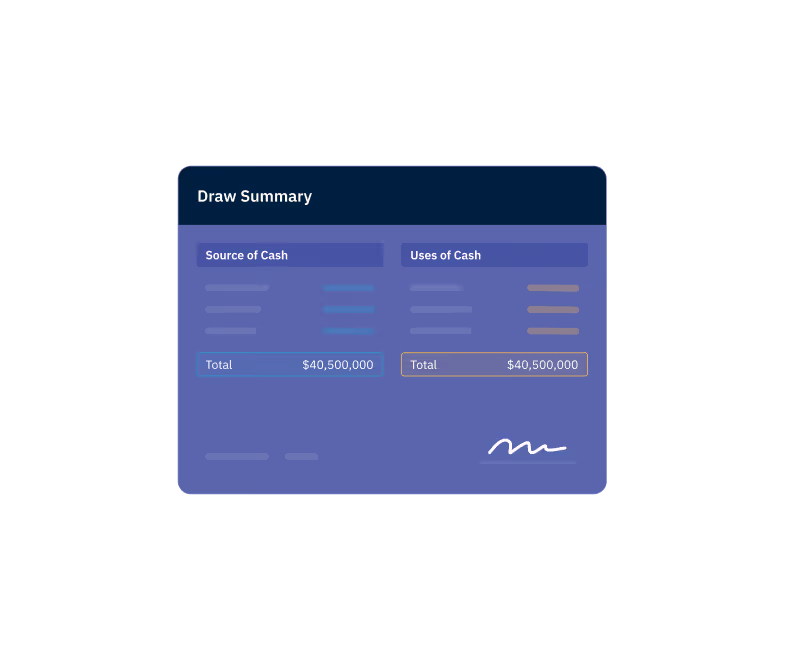
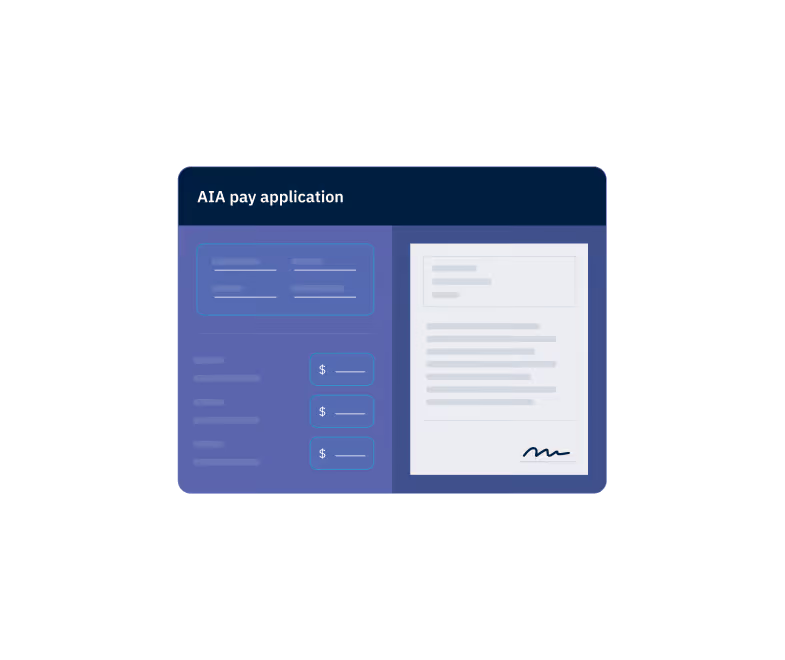
The following 10-item structure reflects consensus across lender and developer input, regulatory guidance, and industry best practice. Loan type variations are additive — not structural.

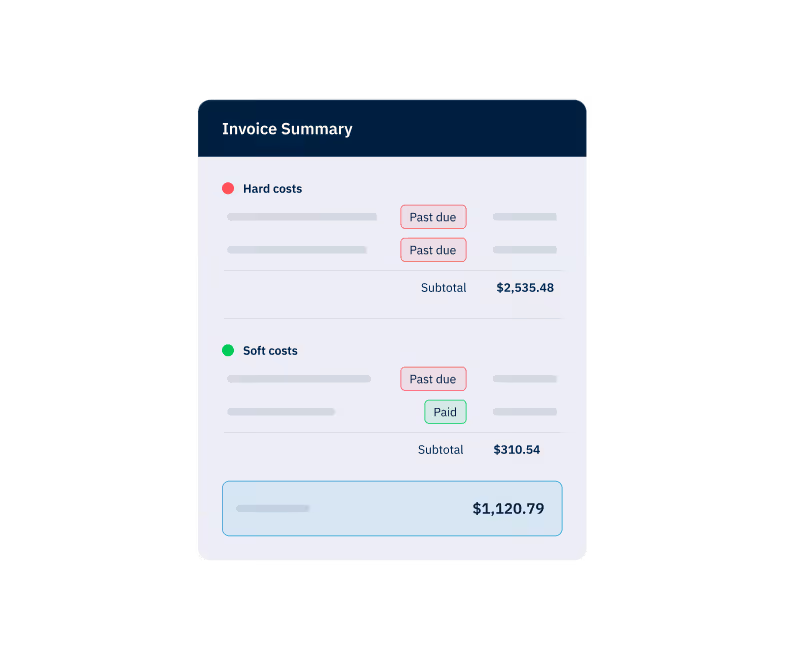
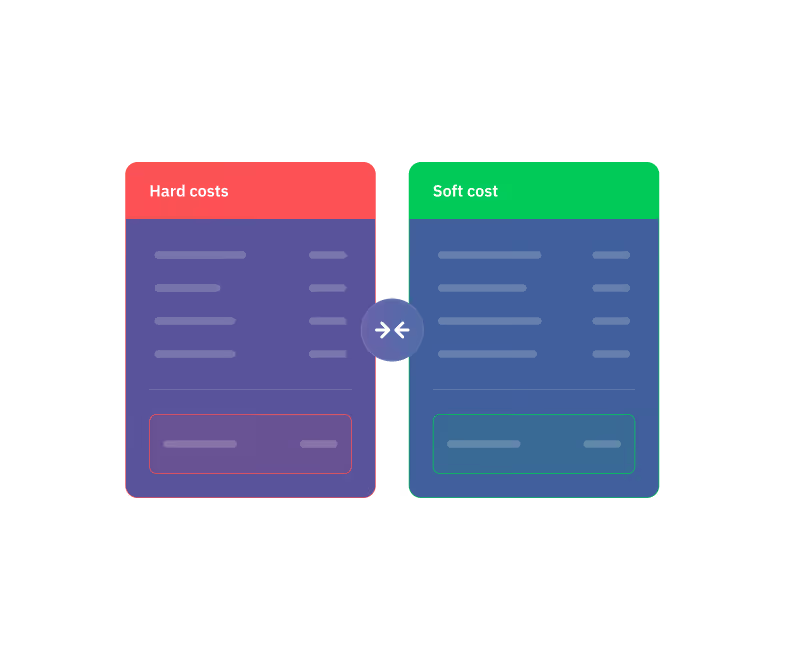
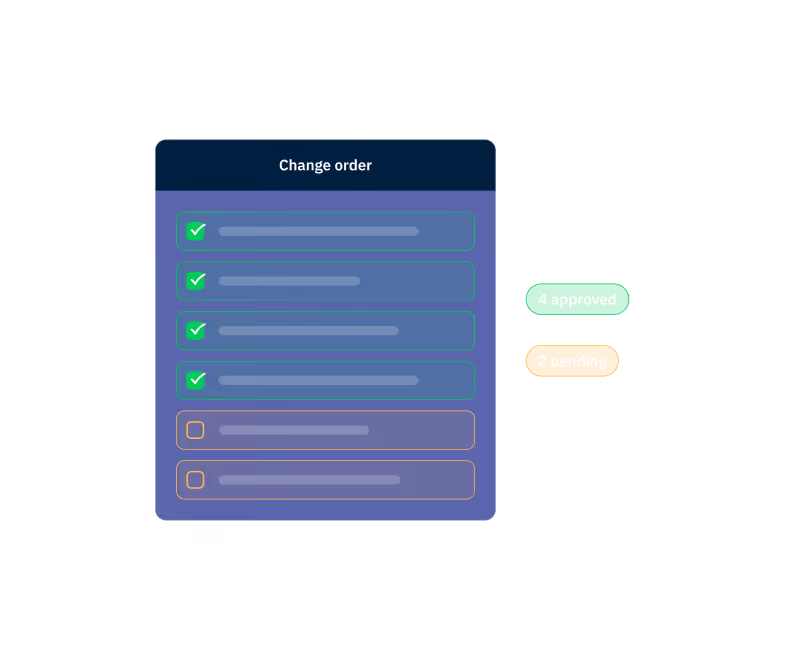
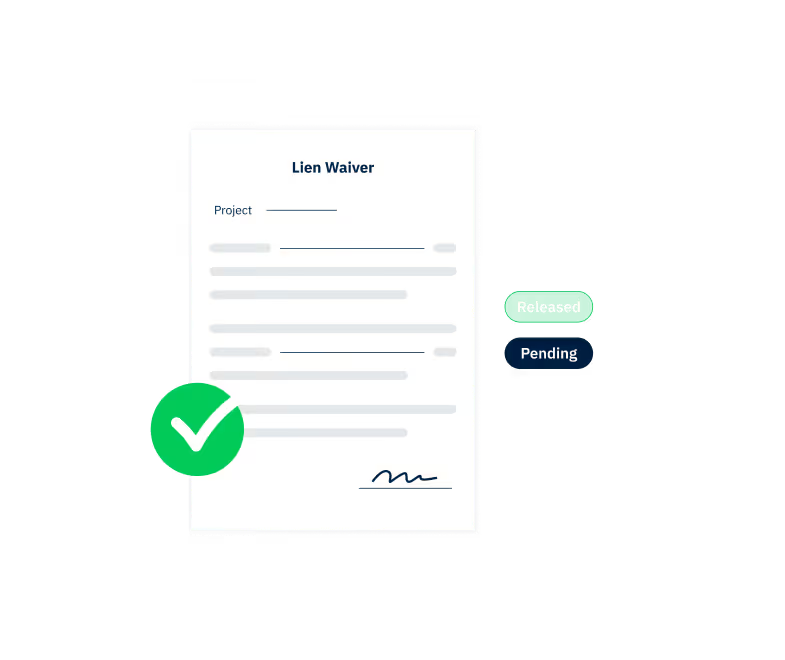
Lien waivers
The single most critical document in the package.
Any gap in the waiver chain creates a compounding problem that gets harder to resolve with each subsequent draw. Collecting unconditional waivers the moment prior draw payments clear - not when assembling the next package - is the single most effective practice for eliminating this rejection category entirely.
How to use this framework
Built for both sides of construction finance

For Developers, Owners, & Operators
Use the framework as your draw prep checklist — every month, every lender.
Work through the 10-item structure before every submission
Note conditional items and confirm requirements at loan closing
Use the organization rules to eliminate common back-and-forth
Reference the lender review sequence to understand how your package gets read
Use the loan-type addon table to flag structure-specific requirements
Explore Rabbet for Developers →

For Lenders & Capital Partners
Use the framework to align your team and set clear borrower expectations.
Share the checklist as your standard draw submission requirement
Use the lender review sequence to streamline internal review
Adapt the loan-type addons to flag deal-specific requirements
Use file naming conventions to enforce consistent intake across your portfolio
Reference the organization rules to reduce back-and-forth with borrowers
Explore Rabbet for Lenders →
Resources
Free draw packaging tools for your team
Practical tools built from the 10-item framework — for teams who need to move faster and review more consistently.
Checklist
Construction Draw Package Checklist
All 10 sections, every required and conditional item, and the 4 internal organization rules — in a format built for field use and lender review.
Guide
The Definitive Guide to Construction Loan Draw Packages
The definitive guide for lender-ready construction draw packages — how G702/G703 work, how to structure sub pay apps, waivers, and invoices relative to them, and where packages most commonly fall apart.
Blog
The Construction Draw Standard: What Every Lender-Ready Package Must Include
The full case for draw package standardization: what a lender-ready submission looks like, why nine in ten packages trigger follow-up today, and the framework emerging from interviews with lenders and developers.
Webinar
The Construction Draw Package Standard
A panel discussion with construction attorney Brian Grindall (Tenenbaum & Saas), institutional lender Steven Oehlrich (Citi), and Rabbet CEO Will Mitchell on what separates a lender-ready draw package from one that stalls funding.
Download the definitive guide to construction loan draw packages
Rabbet brings budgets, documents, and draw reviews into one connectedworkspace — so packages are complete before they're submitted andreviews move faster on both sides.
What documents are needed for a construction
draw request?
How do I prepare a construction loan draw request?
What is an AlA G702/G703 form and why does it matter?
What is the difference between a conditional and unconditional lien waiver?
How long does a construction draw review take?
What is retainage in construction finance?
What is a construction draw package?


